|
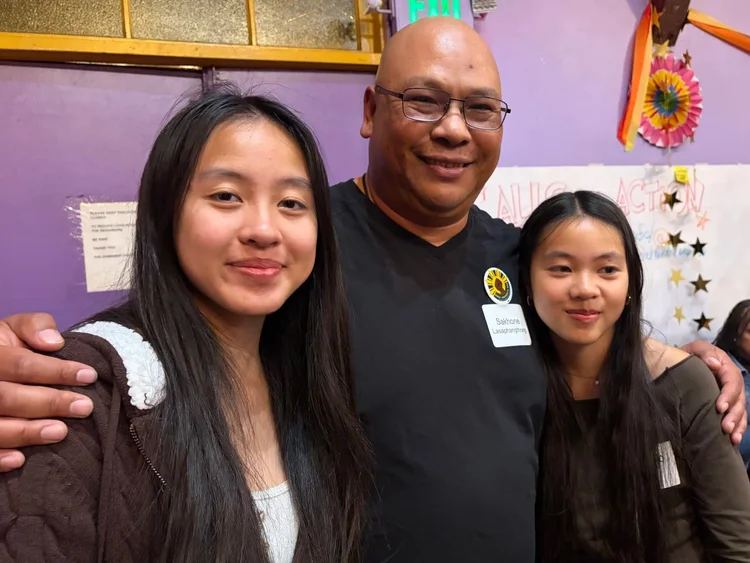
This month's newsletter written by CERI’s Executive Director, Mona Afary, is dedicated to Sakhone Lasaphangthong — a beloved, admired, and deeply respected leader within the Southeast Asian refugee and immigrant community. Sakhone’s leadership was forged through extraordinary hardship, including twenty years of incarceration, and shaped by a life marked by war, displacement, trauma, and, ultimately, profound transformation. Sakhone was born in Laos. As a young child, he fled the war with his mother, first seeking refuge in Thailand, where they endured the harsh and often dangerous conditions of refugee camps, before eventually resettling in California. Like so many Southeast Asian refugee families, they were placed in an under-resourced neighborhood and left to rebuild their lives with little guidance or support. Employment was nearly impossible to find. The family lived in extreme poverty, and Sakhone's mother struggled with severe mental illness resulting from the unimaginable trauma of war and displacement. As a young boy, Sakhone longed for what every child deserves—to feel safe, protected, and to know that he belonged. Yet neither his deeply traumatized mother nor the systems around him had the capacity to provide the stability, guidance, and nurturing he so desperately needed. I first met Sakhone in 2018, shortly after his release from prison at the Asian Pacific Fund conference in Oakland. He spoke with remarkable honesty and humility about his life—from surviving war and refugee camps to arriving in a country whose language, culture, and systems were unfamiliar. Like many refugee youth carrying invisible wounds, he searched for belonging, protection, and identity wherever he could find them. In the absence of supportive adults, culturally responsive services, and a community that understood his trauma, gang life appeared to offer what every young person longs for: acceptance, family, and safety. That search ultimately led him into gang involvement and, eventually, prison. What struck me most was not simply the story of his past, but the extraordinary person he had become. During his twenty years of incarceration, Sakhone courageously confronted the wounds that had shaped his life. He took responsibility for his choices, committed himself to healing, and dedicated himself to helping others transform their own lives. He earned three college degrees, completed the Occupational Mentor Certification Program (OMCP), and became a mentor to hundreds of incarcerated men. Through his leadership, the prison's college program grew from just four students to more than 300, opening doors of hope and possibility for individuals who had never imagined higher education was within their reach. Recognizing the extraordinary wisdom and credibility that come from lived experience, CERI invited Sakhone to mentor Southeast Asian youth who were beginning to be drawn toward gang involvement. Without hesitation, he volunteered his time. He possesses a rare ability to demystify gang culture—to strip away its false promises of power, respect, and belonging. Speaking from lived experience rather than judgment, he has helped young people see the painful realities that lie beneath those promises: violence, incarceration, grief, and lost futures. What makes his presence so powerful is not only what he says, but how he says it. He speaks with an honesty that neither exaggerates nor minimizes, and with a credibility that cannot be taught. Young people immediately recognize that he is not speaking about gang life from the outside, but from having lived its consequences and borne its weight. At the same time, he offers something far more enduring. Having once searched for belonging in environments that promised safety but delivered harm, Sakhone helps young people recognize that what they long for can be found not in any community but in one grounded in safety rather than fear, accountability rather than violence, and genuine care rather than survival. Within such spaces, he helps them imagine lives shaped by purpose, dignity, and possibility.
|